
80% Reduction in Chronic Pain
after only One Session.
Avoid painful surgeries
Reduces acute and chronic pain
Modulates inflammation
No side effects





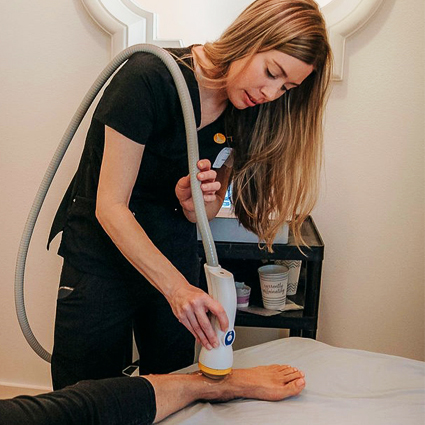
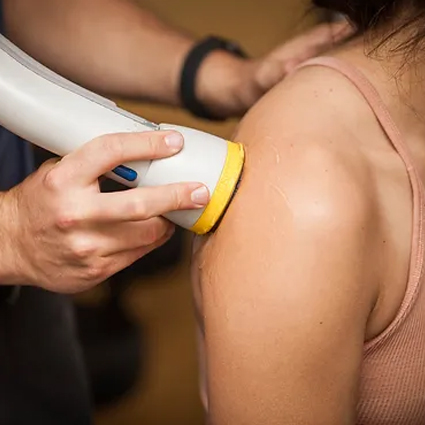
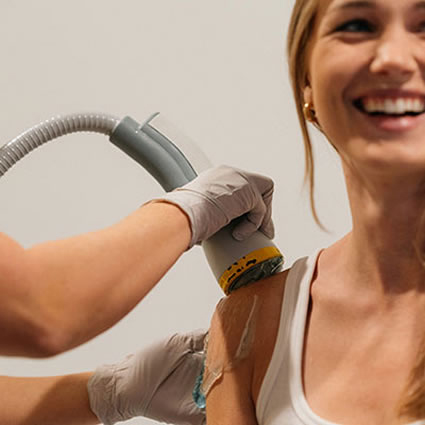
+925 Clients Healed with
Shockwave Therapy
Videos of Case Studies
UFC Fighter Cowboy Cerrone GETS TRT treatment
Stroke Survivor Regains Movement in Hand
Sciatic Pain-Free: Woman Avoids Surgery
Life-Changing Treatment for Neuropathy Patient
Book Your Appointment Below:
FIRST TREATMENT SPECIAL
$125.00
$49.00
***For A Limited Time***
THE PATIENT AND ANY OTHER PERSON RESPONSIBLE FOR PAYMENT HAS THE RIGHT TO REFUSE TO PAY, CANCEL PAYMENT OR BE REIMBURSED FOR PAYMENT FOR ANY OTHER SERVICE, EXAMINATION OR TREATMENT WHICH IS PERFORMED AS A RESULT OF AND WITHIN 72 HOURS OF RESPONDING TO THE ADVERTISEMENT FOR THE FREE, DISCOUNTED OR REDUCED FEE SERVICES, EXAMINATION OR TREATMENT. FEE AT TIME OF SERVICE FOR A CHIROPRACTIC LIMITED EXAMINATION OR THERAPY SESSION IS DISCOUNTED AT $49 FOR THE FIRST VISIT.
tHE PATIENT AND ANY OTHER PERSON RESPONSIBLE FOR PAYMENT HAS THE RIGHT TO REFUSE TO PAY, CANCEL PAYMENT OR BE REIMBURSED FOR PAYMENT FOR ANY OTHER SERVICE, EXAMINATION OR TREATMENT WHICH IS PERFORMED AS A RESULT OF AND WITHIN 72 HOURS OF RESPONDING TO THE ADVERTISEMENT FOR THE DISCOUNTED OR REDUCED FEE SERVICES, EXAMINATION OR TREATMENT. FEE AT TIME OF SERVICE FOR A CHIROPRACTIC LIMITED EXAMINATION OR THERAPY SESSION IS DISCOUNTED AT $49 FOR THE FIRST VISIT.
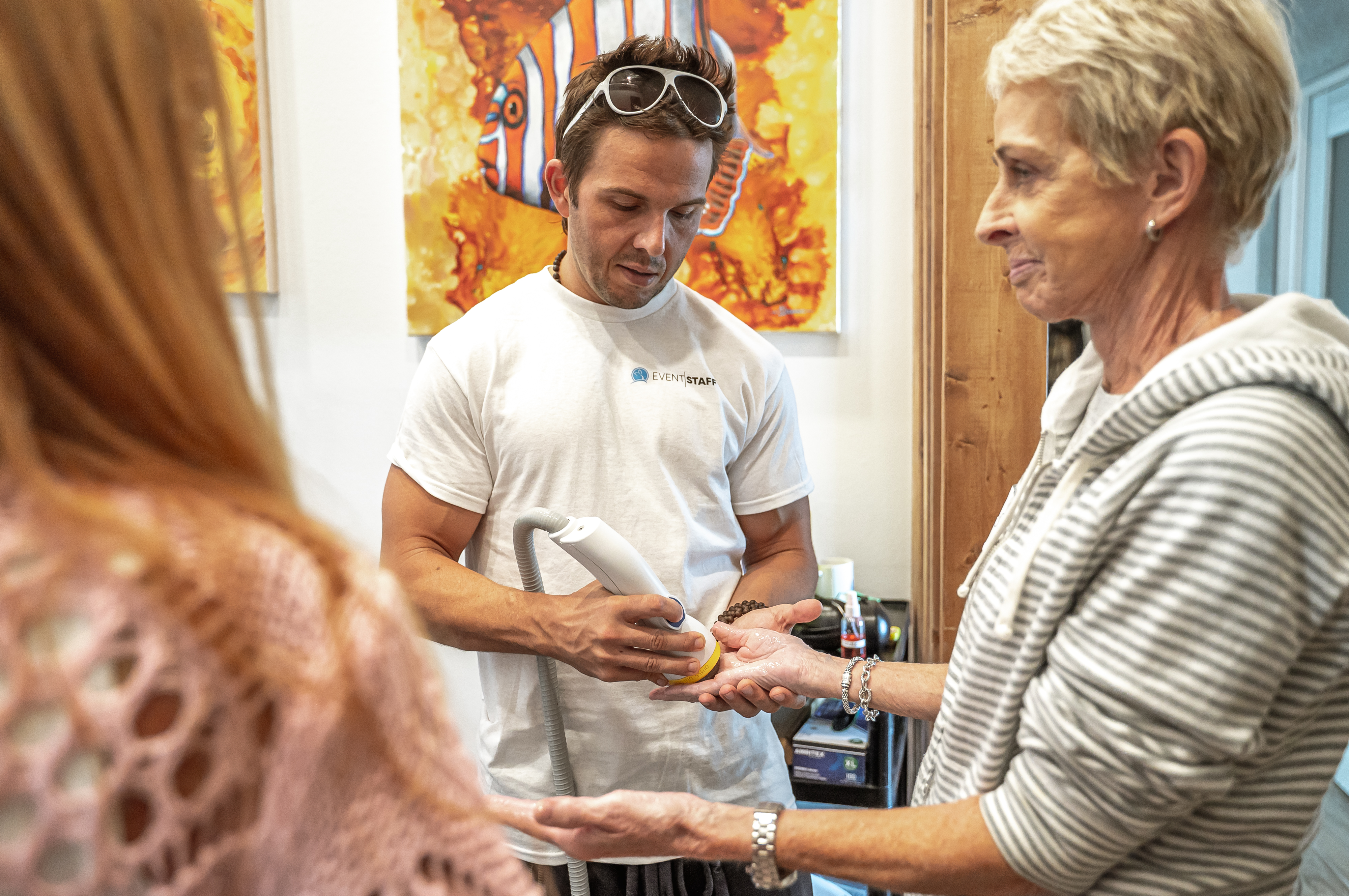

Reduce Pain & Inflammation
Experience Shockwave Therapy in Sarasota, Florida, and take a significant step towards improved health and well-being!





Why Choose Shockwave Therapy for Pain Relief?
Targets the root cause of pain, unlike temporary relief from typical treatments. Utilizes advanced technology to target the source of discomfort. Stimulates the body's natural healing process.
Activation of connective tissue Treatment of diabetic foot ulcers Remedy of second-degree burns Improved blood supply Temporary pain relief.
UFC Performance Institute
Dr. John Lieurance working with CEO and President of the Ultimate Fighting Championship (UFC) Dana White at the UFC Performance Institute. Dr. John helped implement Shockwave therapy as part of the standard treatment for UFC fighters.
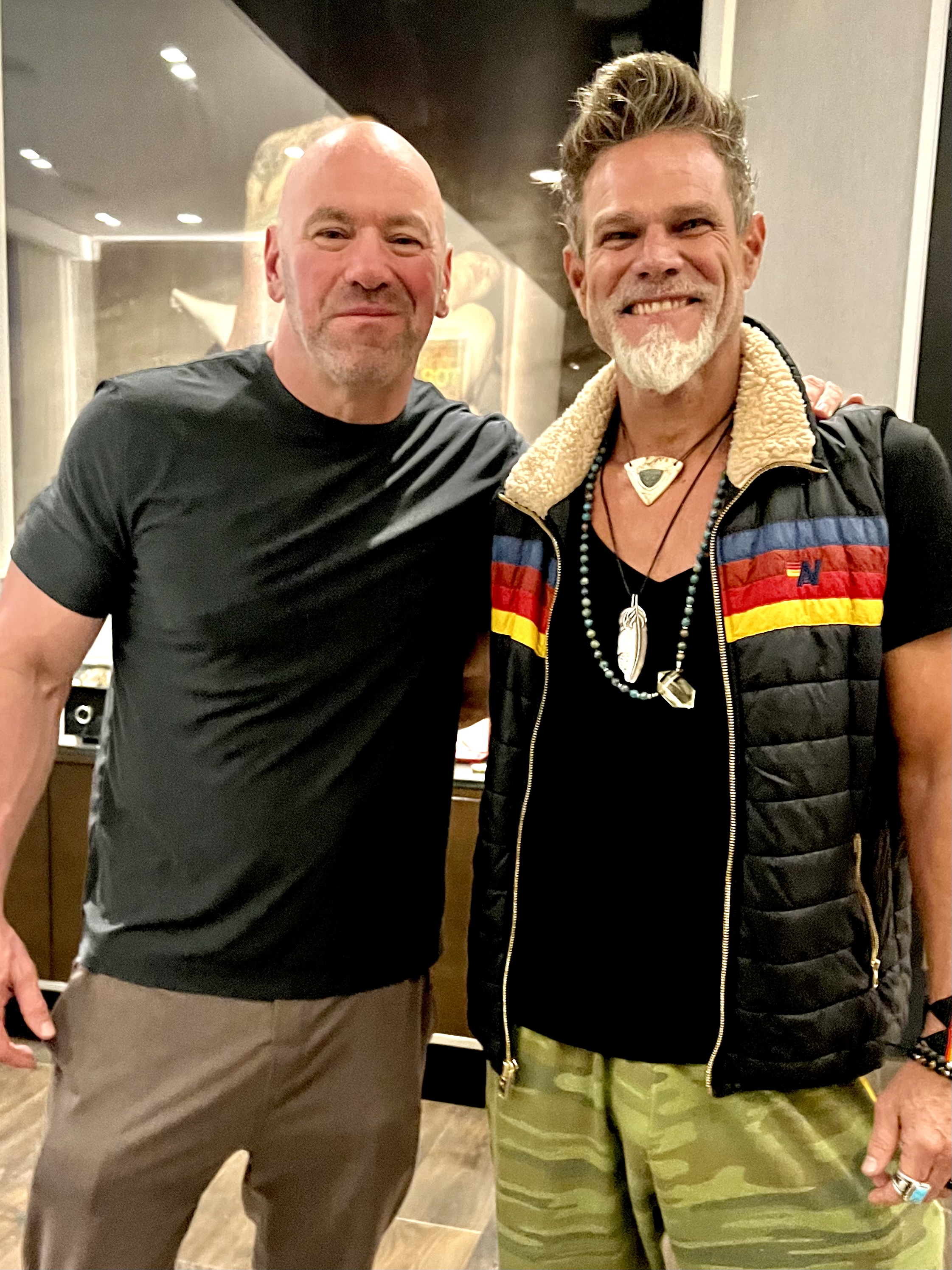
Dana White
UFC CEO & President
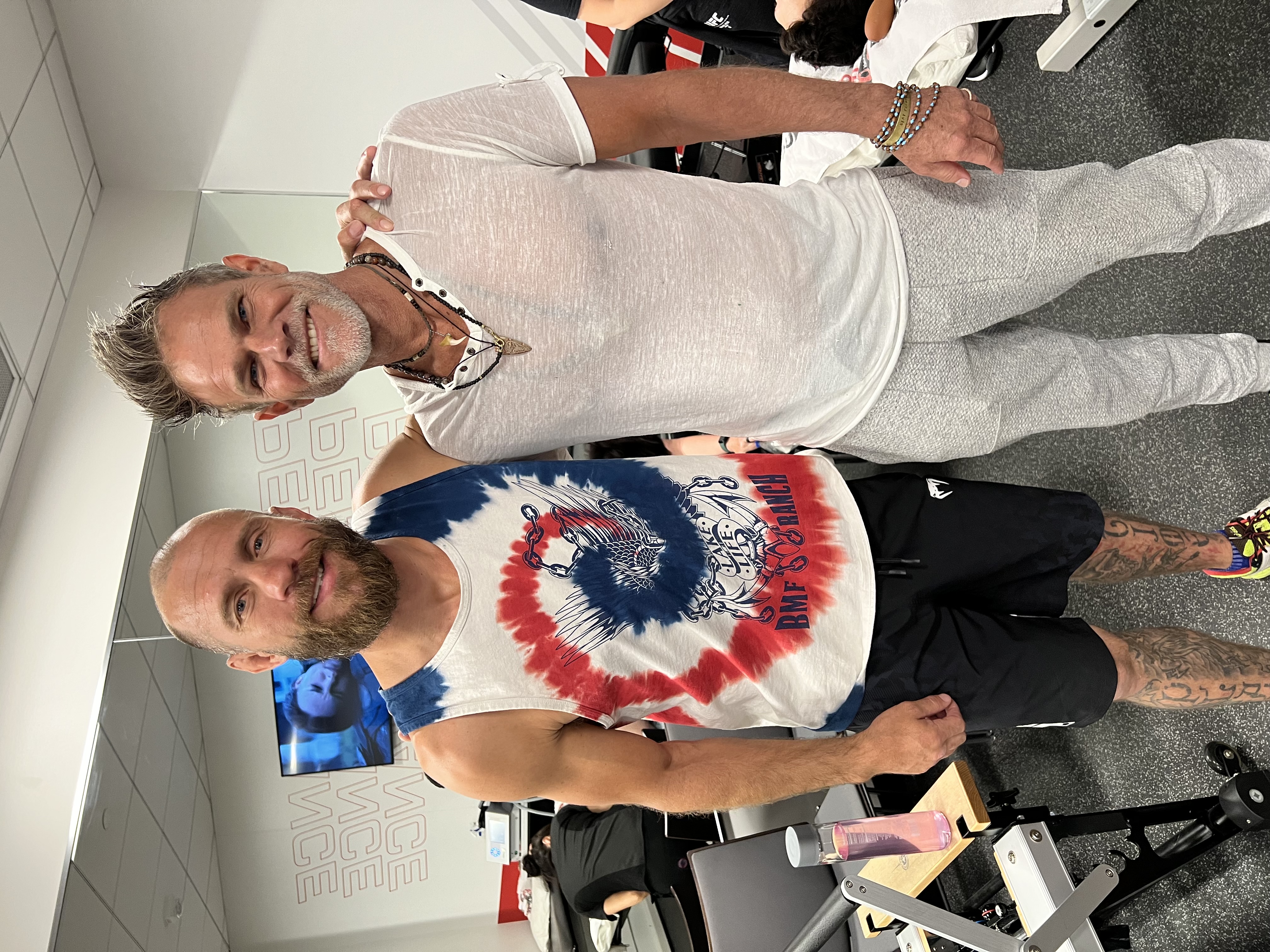
Cowboy Cerrone
UFC Fighter
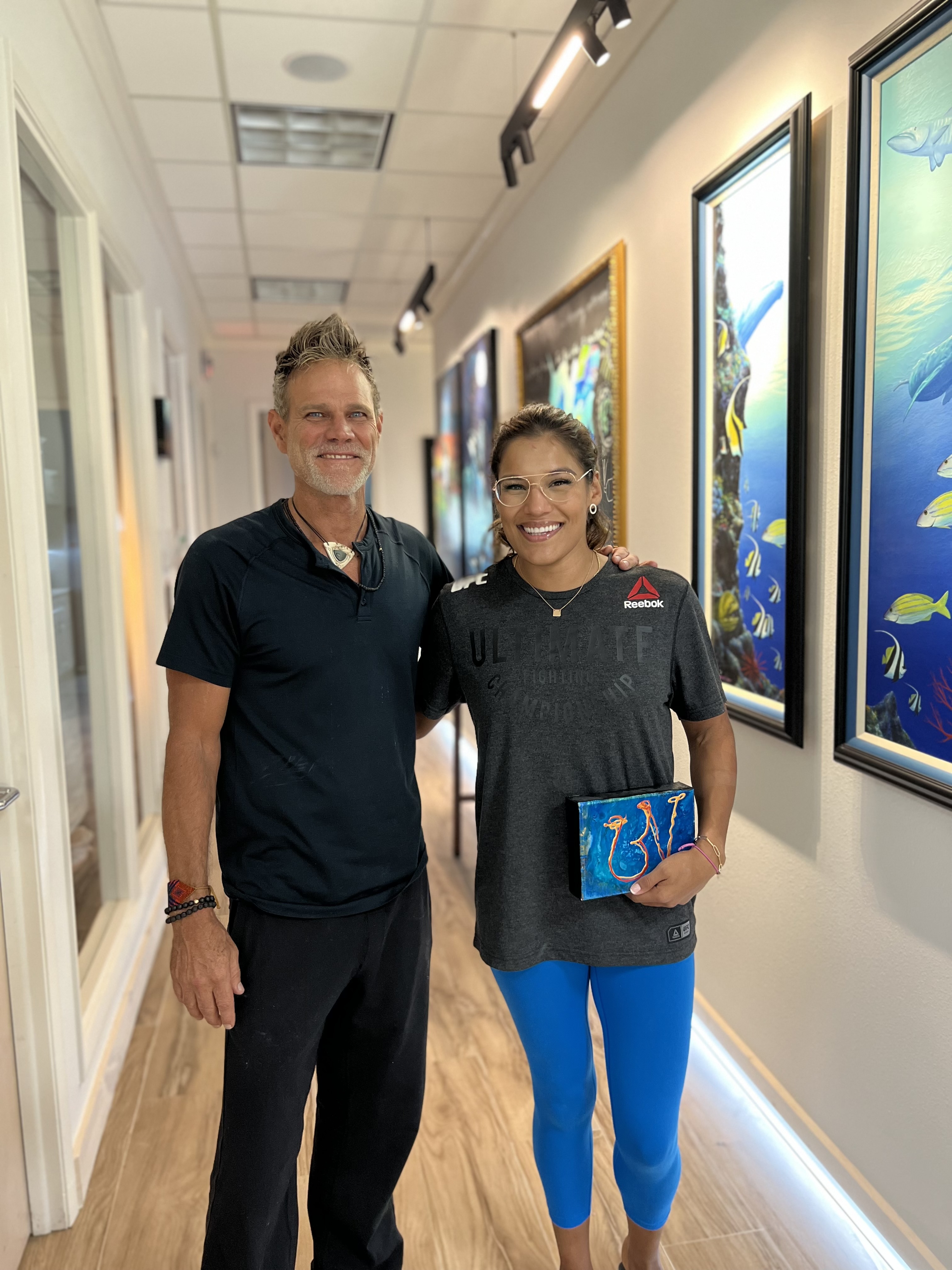
Julianna Peña
UFC Fighter
Frequently Asked Questions
How many sessions do I need?
The number of Shockwave therapy sessions needed depends on the severity of the condition and the specific problem being treated. In most cases, patients will require 2-3 sessions for effective results.
Are there any side effects?
Shockwave therapy is generally safe, but minor side effects like redness, swelling, tenderness, and bruising may occur. These side effects are typically mild and temporary, resolving within a few days.
Is Shockwave therapy painful?
Shockwave therapy is a safe and non-invasive treatment option that is generally well-tolerated. Patients may feel mild discomfort in the treated area during the session, but the therapy is typically painless.
How much does therapy cost?
The cost of shock wave therapy varies based on several factors, including the type of therapy recommended, the chosen treatment facility, the number of required sessions and geographical location.
Contact Us
1014 N East Ave, Sarasota, FL 34237
+1-941-330-8553
Mon - Fri | 9:00 am – 5:00 pm
Copyright © 2024 | Advanced Rejuvenation | All rights reserved